Close Menu
    Support Us
    Facebook X (Twitter) Instagram
    • About
    • Authors
    • Store
    • Spanish
    • Contact
    Al Jumuah MagazineAl Jumuah Magazine
    • Home
    • Quran
      • Commentary
      • Sciences
    • Sunnah
      • commentary
      • Sciences
    • Character
    • Advice
      • Family
      • Society
    • Thoughts
    • Discover islam
    • Hajj FAQs
    HAJJ
    Support Us
    Al Jumuah MagazineAl Jumuah Magazine
    Home»Character»The Ramadân Muslim
    Character

    The Ramadân Muslim

    Shireen PatelBy Shireen Patel8 Mins Read
    the ramadan muslim
    Share
    Facebook Twitter WhatsApp Pinterest LinkedIn Email

    Summary

    This article encourages Muslims to let Ramadan transform their character beyond the blessed month. It warns against becoming a "Ramadan Muslim" whose worship ends with Ramadan and offers practical steps to maintain sincerity, reflection, and truthfulness throughout the year.

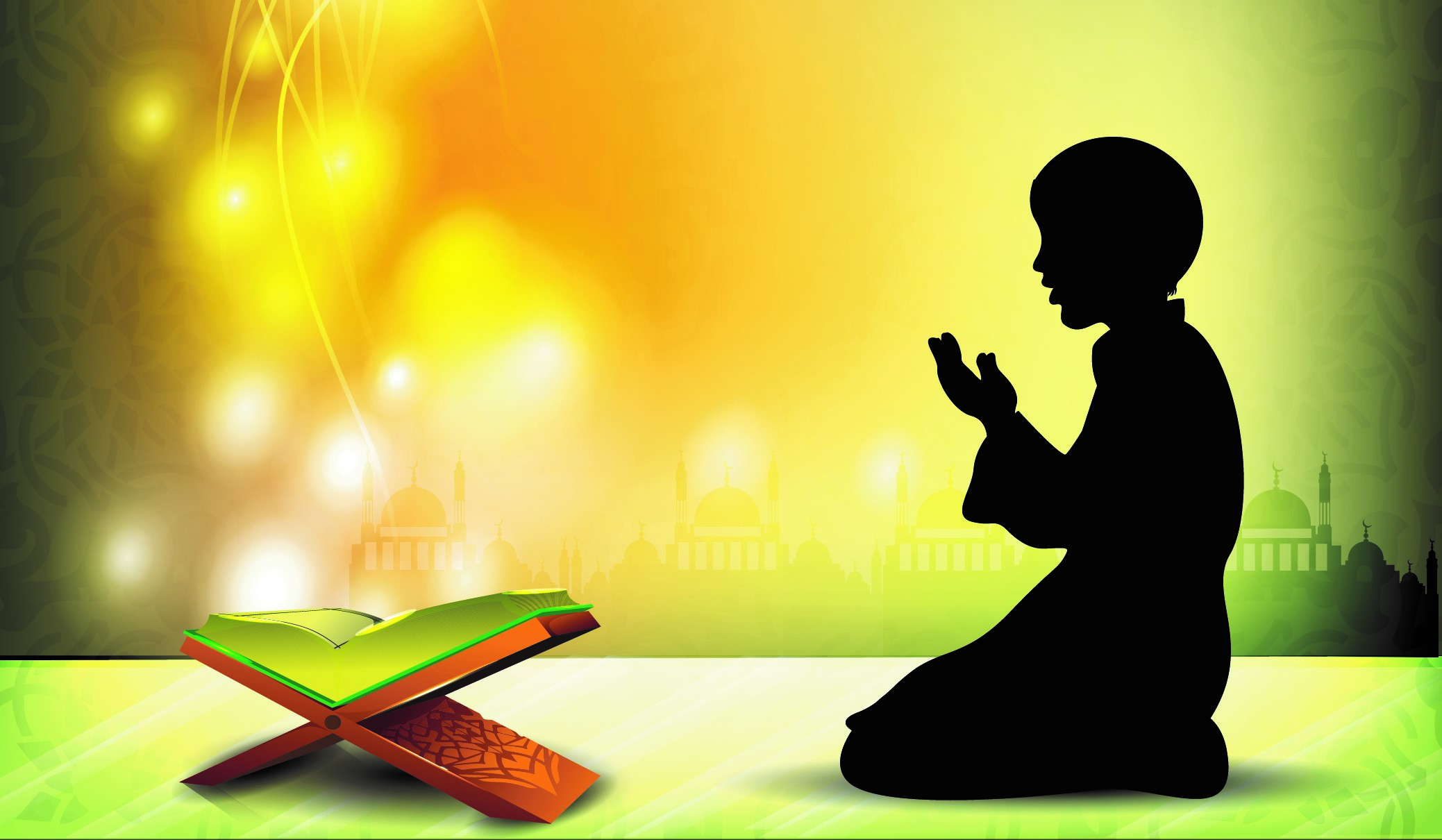
    The surge of spiritual energy, the feeling of goodness within your soul, the hopes of doing good – the time of Ramadân! Undoubtedly the best kickstart a Muslim can get in trying to set aright their wrongs, rectify bad habits, or simply dedicate time towards worshipping Allah. The mosques are full even in the late hours of the night, and hearts start filling with light from the blessings of a blessed month. Then suddenly, a new air of excitement stirs to life as ‘Eid approaches. The endless array of goodies, ‘Eid clothes, gifts and beautiful things all being prepared in order to celebrate the success of a month of fasting. A celebration that often comes too soon and breaks us away from the best of Ramadân: catching the Night of Power. The buzz of the worldly routines we were so used to starts to settle back, familiar sentiments begin to draw us out of this peace and back to the societal pressures to be a certain somebody, or to do certain things. And after the jammed packed ‘Eid prayers, there comes a familiar sadness mostly felt by the Imams of the mosques. Ramadân is gone as the mosques are empty with few rows even being filled. Isha prayers are quiet again while nightly TV shows are back in full effect, Qurans are tucked back onto their shelves, hijabs are back in their drawers, eyes no longer lowered, tongues lashing out, salât calendars that were once checked twice and thrice for maghrib salat are hidden, meals are back to being eaten separately, and life goes back to a ‘normal’ routine once again. The culture of Ramadân reduced to that – a culture. A blessed month, now considered an act of good to be fulfilled once a year, in the hope of forgiveness but with very few plans to rectify wrongs or draw closer to our Creator. It is because of this, the term ‘Ramadân Muslim’ was coined – now you see us, now you don’t. Abu Hurairah narrated that Allah’s Messenger (ﷺ) said,

     “When Ramadan comes the doors of Jannah are firmly opened and the doors of the fire are firmly closed and the shayatîn are chained.” (Al-Bukhari and Muslim)

    Of course it doesn’t help that after ‘Eid the shayatîn are out and about. As well, society at large has reduced the Ummah to our weakest state, with sin so open it is often mistaken as good or even encouraged despite what it may represent. Our ideologies are often confused even within our own community, all the while the army of shaytân is working in full force to distract us from the first thing that brings us closer to our Lord. Closer to goodness. Closer to purpose. Closer to Jannah. Ramadân is an opportunity like none other. It only comes once a year, but when it does, it offers us the perfect environment to reflect on ourselves, ponder over our purpose, and create a game plan so that the blessings will carry with us throughout the entire year until the following Ramadân. While the month of Ramadân comes with a surplus of mercy, forgiveness, and blessings it also offers us 29-30 days of restricting, simply for the pleasure of Allah, our natural survival instinct of eating. The single act of fasting is paramount in our journey towards the betterment of our spiritual beings. So, in an effort to avoid becoming the Ramadân Muslim I offer two simple —yet what I believe to be powerful— steps in maintaining spiritual momentum throughout the year. It begins with reviewing the numerous verses and passages throughout the Quran wherein Allah encourages mankind to ponder over creation and to contemplate our existence. Use Ramadân to start the process of thinking, pondering, reflecting – turn all the distractions off and start here. It is this meditative act that Prophet Muhammad (ﷺ) was engaged in when he received the first revelation. All it takes is one verse of the Quran, read it in a language you understand and think about it. Just think. Ponder over the meaning. Ponder over creation. Ponder deeply. The mere act of reflecting will do wonders in altering our behaviour and reviving our natural inclination towards worshipping Allah in a way that is pleasing to Him, insha’Allah. The second piece of advice is to use Ramadân to start the simple but greatly overlooked act of being truthful. Start by being truthful to yourself (sometimes this can get ugly, but it is also liberating).  Be truthful to yourself about how you feel about those you surround yourself with – do they help you to be better, do they encourage you towards goodness centered around Islamic teachings, do they bring the best out you? Are you the type of person that offers similar benefits to your family and friends, do you  help others, do you speak good, are you really trying to be a better Muslim? Be honest with yourself. You don’t have to share it with anyone, but acknowledge it, and pray for a better you. Be truthful in what you say (i.e. no more fake compliments, no more ‘white lies’ to get out of things etc). Abdullah bin Mas’ud reported:

    “Truth leads to piety and piety leads to Jannah. A man persists in speaking the truth till he is enrolled with Allah as someone truthful. Falsehood leads to vice and vice leads to the Fire (Hell), and a person persists on telling lies until he is enrolled as a liar.” (Riyad al-Salihin)

    Herein sets our path to success. As an Ummah, it is up to us to first rectify our condition and be sincere in drawing closer to Allah before anything else. With that, we will see our lives changing and efforts towards pleasing Allah increasing, insha’Allah. Keep this mind: a sign that our Ramadân is accepted (i.e. our fasting and worship) is when we see ourselves becoming better people throughout the rest of the year until Ramadân is upon us again. It is not enough to be a ‘Ramadân Muslim’ who stops worshipping Allah when the month is over, because then we know we have not really achieved goodness. We must go deeper, and we must turn to Allah beseeching Him for Guidance. May Allah accept our Ramadân, allow us to increase in good, forgive us, and guide us, Amîn.

    Frequently Asked Question

    Answering the most relevant questions to help you better understand the article.

    What is the main theme of The Ramadan Muslim?
    The article emphasizes that Ramadan should be a starting point for lasting spiritual growth, not a temporary period of increased worship. True success is continuing obedience to Allah after Ramadan ends.
    What does the term "Ramadan Muslim" mean?
    The article uses the term to describe someone who becomes devoted to worship only during Ramadan but returns to neglecting prayers, Qur’an, and righteous habits once the month has ended.
    Why is Ramadan considered a unique opportunity for change?
    The article explains that Ramadan creates an environment of mercy, worship, and self-discipline, making it an ideal time to correct bad habits, strengthen faith, and develop a lasting relationship with Allah.
    What happens after Ramadan that makes maintaining faith more difficult?
    The article notes that after Ramadan, worldly distractions return, mosques become less crowded, daily routines resume, and the devils are no longer restrained, making spiritual consistency more challenging.
    What is the first step the article recommends for maintaining spiritual momentum?
    The article encourages believers to regularly reflect on the Qur’an by reading its meanings, pondering Allah’s creation, and contemplating their purpose in life. It explains that sincere reflection helps revive faith and improve behavior.
    What is the second practical step suggested in the article?
    The article advises Muslims to practice truthfulness, beginning with honest self-evaluation. It encourages being truthful in speech, avoiding lies and false compliments, and sincerely assessing one’s relationship with Allah and others.
    How does the article describe the importance of self-reflection?

    The article encourages believers to honestly evaluate whether their friends, habits, and actions help them become better Muslims and whether they themselves positively influence those around them.

    What hadith about truthfulness does the article mention?
    The article quotes the Prophet ﷺ teaching that truthfulness leads to righteousness and Paradise, while lying leads to wickedness and the Fire, highlighting the importance of honesty as a lifelong habit.
    How can a believer know if Ramadan was accepted?
    The article explains that one sign of an accepted Ramadan is seeing positive changes continue throughout the rest of the year, with increased obedience, better character, and greater consistency in worship.
    What overall message does the article convey?
    The article concludes that Ramadan should inspire lasting transformation. By maintaining reflection, truthfulness, and sincere worship after the month ends, Muslims can continue growing in faith and drawing closer to Allah throughout the year.
    Ramadan
    Previous ArticleThe Signs Granted to Prophet Isa (A.S)
    Next Article Our World’s Spiritual Atmosphere Is Like A Pair Of Holy Lungs
    Shireen Patel

    Related Posts

    The Forgotten Sunnah of Disagreement: Adab al-Ikhtilāf in Our Communities

    By Al Jumuah Staff
    Read More

    Ibn Al-Qayyim’s Madarij Al-Salikin (Steps of the Seekers) | The Station of Adab (Etiquette) – 2

    By Dr Ovamir Anjum
    Read More

    Translations from Madarij Al-Salikin by Imam Ibn Al-Qaiyym: The Station of Humility

    By AlJumuah Magazine
    Read More

    Rulings Regarding Zakat Al-Fitr: A Cleansing and Enriching Obligatory Charity (part 2)

    By Dr Ovamir Anjum
    Read More

    How to Return to the Quran | Part 2

    By Ruqaia Al-Alwani
    Read More

    Translation From Madarij Al-Salikin (Steps of the Seekers) of Ibn Al-Qayyim

    By Dr Ovamir Anjum
    Read More

    4 Comments

    1. Ramadan on January 15, 2021 2:04 am

      Fasting is one of the sacred pillars of Islam and observed in the month of Ramadan every lunar year by every sane male and female Muslim.

      Reply
    2. islamic teacher on December 21, 2021 5:45 am

      this is a nice post…

      Reply
    3. Ahmed Masroor on January 11, 2022 5:33 am

      “When Ramadan comes the doors of Jannah are firmly opened and the doors of the fire are firmly closed and the shayatîn are chained.” it’s true, i really felt such feeling whenever Ramadan starts.

      Reply
    4. Naveed Alam on October 21, 2024 2:28 pm

      Ramadân is a special time for spiritual growth, reflection, and self-discipline. This post captures the essence of embracing the deeper values of faith not just during the holy month but throughout the entire year. Thank you for the inspiring reminder.

      Reply
    Leave A Reply Cancel Reply

    This site uses Akismet to reduce spam. Learn how your comment data is processed.

    Recent Comments
    • Muzammil on Zukhraful Qawlal Ghuroor – When Sins Are Beautifully Presented, Deception is Easy: “Clear”
    • qassim ouma akoko on Monotheistic Pilgrimage: The Ka’bah and Bait Al-Muqaddas / Beit HaMiqdash: “be blessed”
    • Abubakar on Having Guests? Host from the Heart – Caring with Islamic Etiquette: “A beautiful reminder that true hospitality in Islam is not about luxury, but about kindness, generosity, and sincere care for…”
    • A Muslim man on Unveiling The Hûr Al-‘În | Part 1: “Okay, look men are creepy and most of you women don’t have to deal with men in Jannah so the…”
    • Jacqui DeLorenzo on The Spirituality of Ramadan and Fasting: “This is a deeply thoughtful and enriching exploration of the spirituality of Ramadan and fasting. I truly appreciate how the…”
    Menu
    • About
    • Contact
    • Authors
    • Spanish
    • Store
    Facebook X (Twitter) Instagram
    Copyright © 2026 Al Jumuah Magazine

    Type above and press Enter to search. Press Esc to cancel.

    ALJUMUAH MAGAZINE

    🌙

    Assalamu Alaikum!

    Stay Connected With AlJumuah

    Receive Islamic reminders, Quran and Sunnah reflections, and the latest updates from AlJumuah.

    Message us on WhatsApp to receive our official channel link.


    Say Hi on WhatsApp

    Free to connect • Opens WhatsApp