


Summary
Salah (prayer) is the central pillar of Islam, revealed directly to the Prophet ﷺ during al-Isra’ wa’l-Mi‘raj. It structures a Muslim’s life, reinforces tawhid, fosters discipline, and signifies faith, identity, and submission to Allah.
Salah – The Pillar That Upholds Islam
Among the five pillars of Islam, salah (prayer) holds a uniquely central position. It is not simply a ritual act, but a comprehensive form of worship that reflects the very essence of a Muslim’s relationship with Allah. After the shahadah (testimony of faith), salah stands as the foremost duty that shapes the spiritual, moral, and social fabric of Islamic life. The importance of salah is underscored in numerous verses of the Qur’an, including Allah’s command to Prophet Musa.“Indeed, I am Allah. There is no deity except Me, so worship Me and establish prayer for My remembrance.” [Surah Ta-Ha, 20:14]
This verse not only establishes tawhid (monotheism) but directly connects it to the act of prayer, illustrating its foundational role in worship. Salah was the only act of worship made obligatory during the miraculous night journey of the Prophet Muhammad ﷺ, known as al-Isra wa’l-Mi‘raj. Unlike other obligations, which were revealed through Jibril on earth, salah was given directly to the Prophet ﷺ in the heavens, signifying its exceptional status. As the Prophet ﷺ stated,“The head of the matter is Islam; its pillar is the prayer…” (Tirmidhi)
In his final moments, the Prophet ﷺ repeatedly urged his Ummah to uphold Salat, saying, “Al-salah, al-salah (the prayer, the prayer)” He made it his parting advice to the believers. This emphasizes that salah is not just an act of worship, but it is a lifelong commitment and a covenant between the servant and the Creator. Moreover, salah is a holistic practice that nurtures every dimension of a believer’s life. It instills discipline, enhances mindfulness, and aligns one’s daily routine with divine purpose. As the Quran declares,“Indeed, prayer prohibits immorality and wrongdoing, and the remembrance of Allah is greater.” [Surah Al-‘Ankabut, 29:45]
In this article, we will delve deeper into the profound significance of salah in Islam. From its spiritual impact to its role in shaping character and community, we aim to illuminate why salah remains the beating heart of a Muslim’s faith and practice.The Status of Salah in Islam: A Divine Command and Pillar of Faith
Salat occupies a position of unparalleled importance in Islam. It is not just a ritual or routine but a divine obligation and the second of the five pillars of Islam, following the declaration of faith. The Prophet Muhammad ﷺ described this foundational role when he said,“The head of the matter is Islam; its pillar is the salah, and its highest peak is jihad in the way of Allah.” (Tirmidhi)
This hadith emphasizes that without salah, the structure of a believer’s faith is incomplete. What makes salah even more unique is the manner in which it was revealed. Unlike other commandments, which were sent down through angelic revelation on earth, the obligation of salah was given directly to the Prophet ﷺ during his miraculous night journey and ascension, the Isra and Mi’raj. During this divine encounter, Allah commanded fifty daily prayers for the Ummah, which were later reduced to five, while retaining the reward of fifty. This moment underscores the heavenly origin and unmatched significance of salah in the life of a Muslim. The Holy Qur’an repeatedly reinforces the command to establish prayer. Allah says:. In another verse, Allah reminds us to uphold Salat consistently,“Verily, I am Allah! There is no deity except Me. So worship Me and establish prayer for My remembrance.” [Surah Ta-Ha, 20:14]
“Indeed, prayer has been decreed upon the believers a decree of specified times.” [Surah al-Nisa, 4:103]
These verses highlight salah as a timely and obligatory act, not subject to personal convenience but to divine command. Salah was also among the final instructions of the Prophet ﷺ before his departure from this world. As narrated in several hadith collections, the Prophet repeatedly urged, “Al-salah, al-salah (the prayer, the prayer),” indicating its critical role in sustaining a believer’s faith until the very end. Beyond its spiritual significance, salah is a daily obligation that structures a Muslim’s life around worship. It is performed five times a day, each prayer serving as a moment to reconnect with Allah, seek forgiveness, and realign one’s purpose. This regularity cultivates discipline, mindfulness, and spiritual awareness. As Allah states,“Recite what has been revealed to you of the Book and establish prayer. Indeed, prayer prohibits immorality and wrongdoing…” [Surah Al-‘Ankabut, 29:45]
Salah is also amarker of Muslim identity. The Prophet ﷺ said,“The covenant that distinguishes between us and them is salah; whoever abandons it has committed disbelief.” (al-Tirmidhi, Hadith 2621)
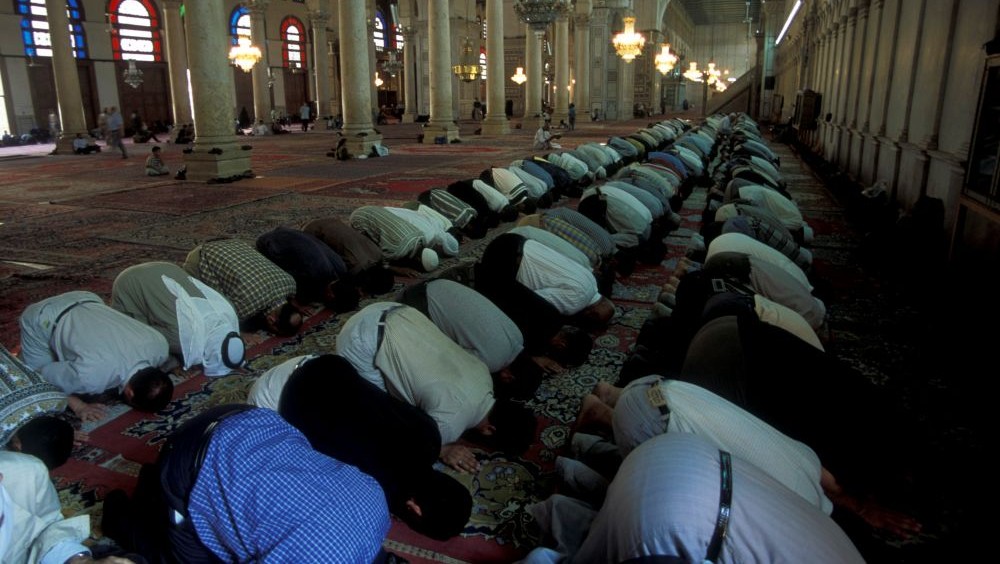
This potent statement underscores that salah is not merely a ritual but a defining characteristic of a Muslim’s belief and belonging to the Ummah. Furthermore, salah offers communal and individual benefits. When performed in congregation, especially in the mosque, it fosters unity and brotherhood among believers. At the individual level, it nurtures taqwa (God-consciousness), humility, and spiritual clarity. As highlighted, salah is the supreme spiritual discipline that transforms not just the soul but the entire life of a believer. In essence, salah is far more than a duty; it is the heart of a believer’s relationship with Allah — a divine command, a pillar of faith, and a daily opportunity to grow in submission, sincerity, and righteousness. From its heavenly origin to its transformative effects, salah stands as the defining act of Islamic devotion. In the next section, we will explore how this sacred act serves as a spiritual connection and refuge for the believer in daily life.Spiritual Significance: Salah as a Connection to Allah
At its core, salah is more than a ritual obligation, it is the sacred thread that ties the believer’s heart to their Creator. It is a moment of direct communion with Allah, where the soul finds tranquility, guidance, and renewal. Allah commands in the Qur’an,“Indeed, I am Allah. There is no deity except Me, so worship Me and establish prayer for My remembrance.” [Surah Ta-Ha, 20:14]
This verse reveals that the very purpose of salah is dhikr (remembrance) of Allah, making it a spiritual anchor in the life of every Muslim. In the fast-paced rhythm of modern life, salah invites Muslims to pause and refocus. Performed five times daily, it acts as a divine spiritual check point that realigns the heart with its true purpose. As described, “Indeed, prayer prohibits immorality and wrongdoing, and the remembrance of Allah is greater.” [Surah Al-‘Ankabut, 29:45] Salah not only brings the believer closer to Allah but also purifies character and restrains sinful behavior. Each posture of Salat: standing, bowing, prostrating, and sitting, embodies a stage of submission and humility. In sujood (prostration), the believer places their forehead on the ground, the lowest physical position, yet it is in this moment that one is spiritually closest to Allah. The Prophet Muhammad ﷺ said,“The servant is closest to his Lord during prostration, so increase your supplications therein.” (Sahih Muslim 482)
This intimate connection during sujood transforms salah into a profound experience of love, dependence, and surrender. According to scholars, salah is not merely an individual act but a transformative journey. Salah nurtures a direct connection with Allah and instills discipline, humility, and mindfulness. When performed with sincerity and focus, it has the power to elevate the believer’s moral state and deepen their faith (iman). Moreover, salah serves as the believer’s spiritual sanctuary amidst life’s chaos. It offers peace and clarity in times of hardship and serves as a comforting reminder that Allah is always near. Allah says,“And seek help through patience and prayer. Indeed, it is difficult except for the humbly submissive.” [Surah Al-Baqarah, 2:45]
This verse assures that through salah, believers find divine support and inner strength. Finally, the spiritual significance of salah is reflected in its role during the Prophet’s night journey (Mi‘raj), where it was directly ordained by Allah without any intermediary. As noted, salah was the most emphasized act of worship by the Prophet ﷺ, even in his final moments. This speaks volumes about its spiritual weight and the vital role it plays in a Muslim’s life. As we move forward to explore how salah shapes not only the soul but also society, we begin to see that this divine act of worship is a holistic path to personal and communal transformation.Frequently Asked Question
Answering the most relevant questions to help you better understand the article.
Allah’s command to worship and establish prayer (Surah Ta-Hā 20:14) links monotheism with prayer as foundational worship.
Salah was ordained directly to the Prophet ﷺ in the heavens during al-Isra’ wa’l-Mi‘raj.
The Prophet ﷺ said, “The head of the matter is Islam; its pillar is the prayer.”
He said, “Al-salah, al-salah (the prayer, the prayer).”
By structuring life around five daily prayers, cultivating discipline, mindfulness, and spiritual awareness.
“Indeed, prayer prohibits immorality and wrongdoing…” (Surah Al-‘Ankabut 29:45).
He said abandoning salah is a breach of faith and identity as a Muslim.
Salah in congregation builds unity, brotherhood, and shared worship among believers.
A chance to reconnect with Allah, seek forgiveness, and realign purpose.
A comprehensive form of worship reflecting the believer’s relationship with Allah and the essence of Islamic life.

